Nature's Hues : A Conversation with WUY
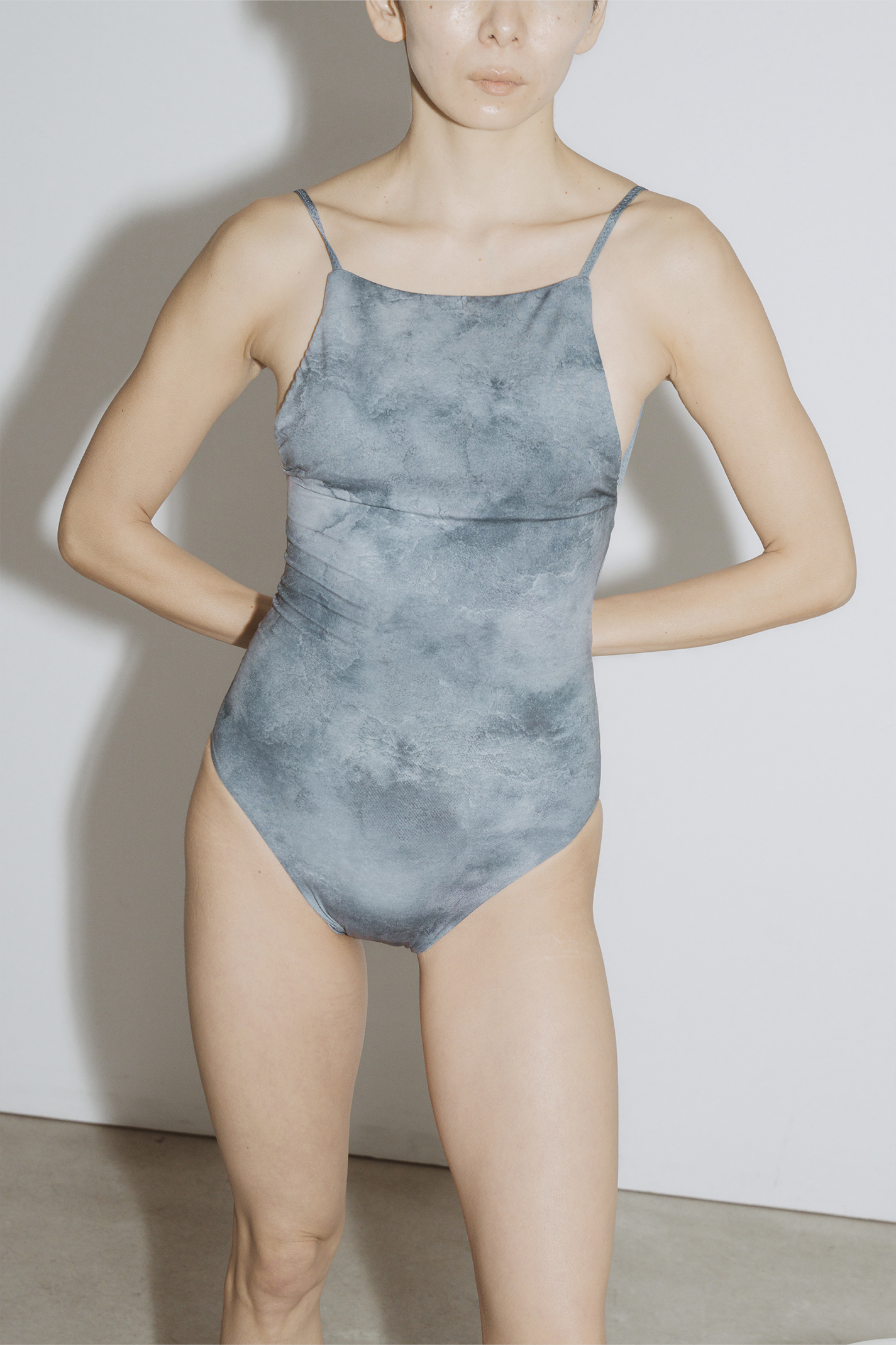
Our 2026 plant ink swimwear was created in collaboration with WUY, a plant-dye collective. This husband-and-wife unit works on original products made with safe, eco-conscious materials, as well as a clothing re-dyeing project called “Re: Zome”. Shogo and Ayumi Yamazato always convey the wonder and beauty of the plant-dyeing world. We spoke with them about their work and the insights and lessons that arise from it.
─Could you tell us about the “Re: Zome” project?
It’s an upcycling initiative using plant dyes. We use discarded plants from households and local areas as dye material. With tens of thousands of tons of clothing thrown away each year, our goal is to revive garments through plant dyeing and reduce waste, creating a cycle of reuse.
Specifically, we offer a service to re-dye personal clothing and hold workshops where people can learn how to do it at home.
─I heard that you started plant dyeing after becoming parents and beginning to think about environmental issues. Can you share more about that?
Back then, we were in our early twenties and very naïve. But having children made lifestyle, food, and environmental choices a personal matter. We began seriously thinking about what kind of parenting we wanted, what environment we wanted to leave for the next generation, and what we could do for our kids. In searching for answers, we discovered plant dyeing.
It started as color play with our children—using onion skins from cooking, collecting nuts, leaves, and flowers on walks, and experimenting with them. We realized how beautifully plants can color fabric.
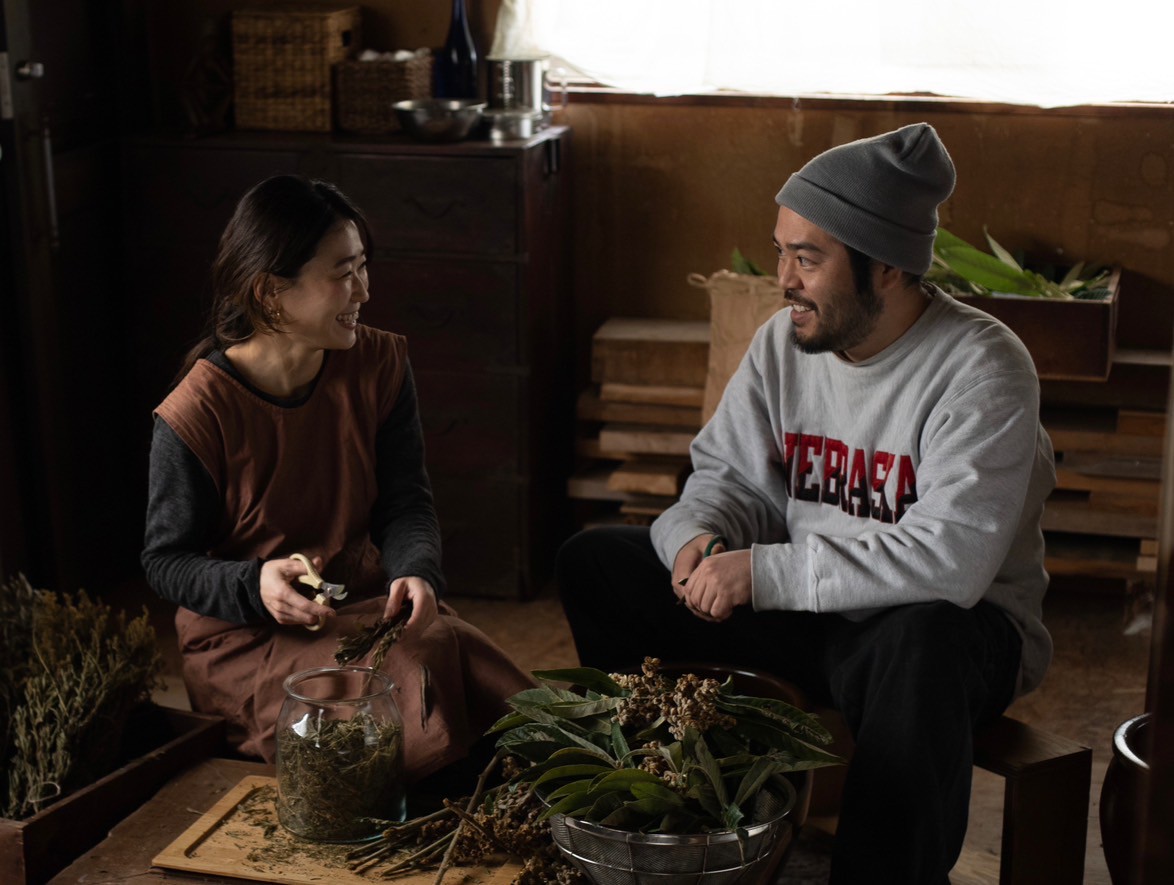
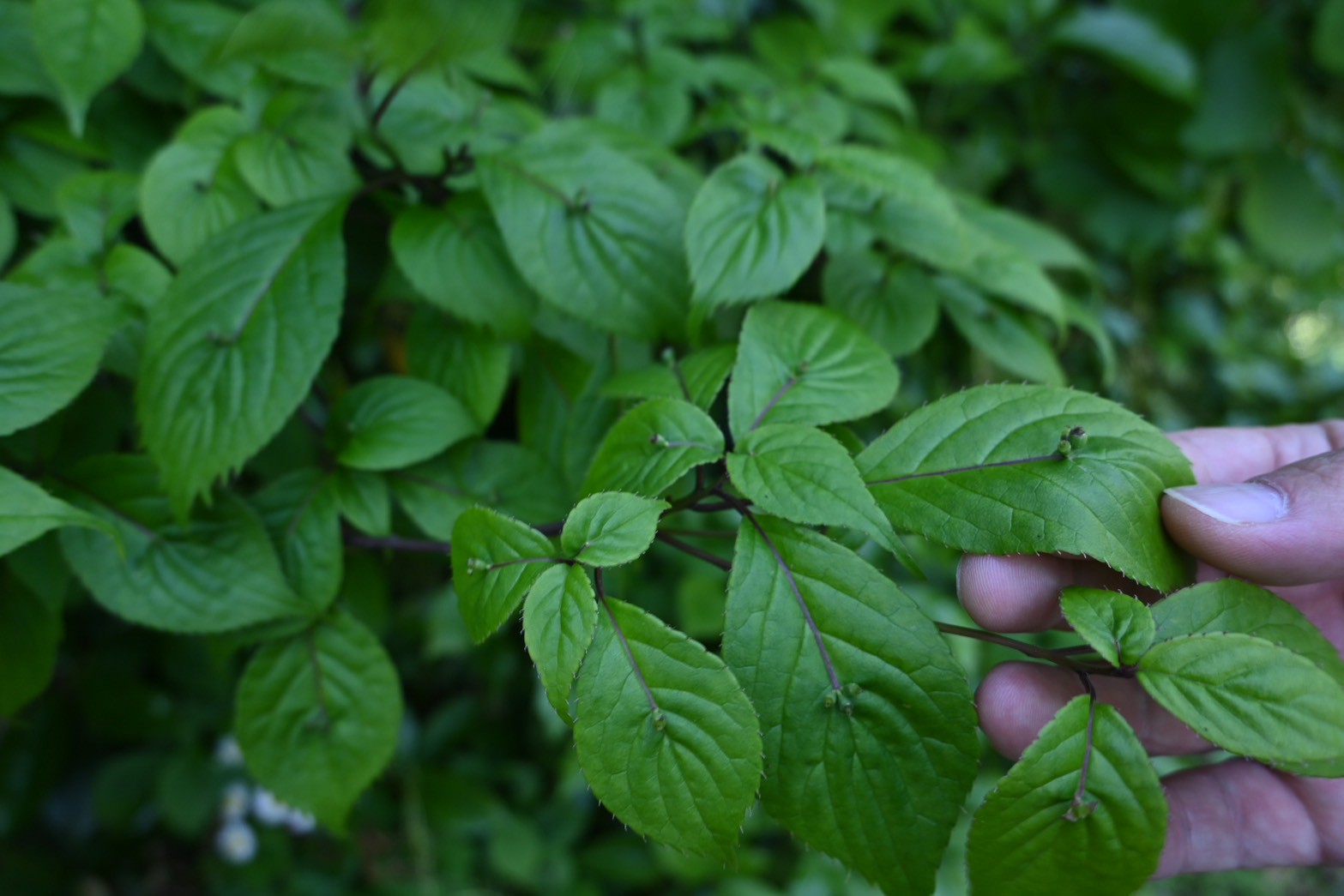
─The colors plants create are so warm and unique, with endless variations—it’s truly nature’s gift.
Exactly. On top of that, the components in plants have benefits—they strengthen the fabric, repel insects, and even provide effects through skin contact. For example, they can improve circulation and warm the body.
Nowadays you can buy anything at a drugstore, but people in the past incorporated plants’ power into their lives. It’s environmentally friendly, good for the body, relaxing, and fragrant—“all good things,” we thought. When we re-dyed our eldest daughter’s clothes for our younger daughter, she was thrilled, and it enriched our daily life. We wanted to share that joy with others.
─What lessons or insights have you gained from working with nature in plant dyeing?
So many! The beauty of using seasonal fruits, bark, leaves, roots, and flowers, the way the same technique produces different colors, and how you sometimes need to wait for the desired shade.
Through trial and error, we came to appreciate the beauty that arises from unpredictability. The process also changed our own mindset—learning to “wait,” follow nature’s rhythm, and not rush. The act of dyeing became linked to inner alignment.
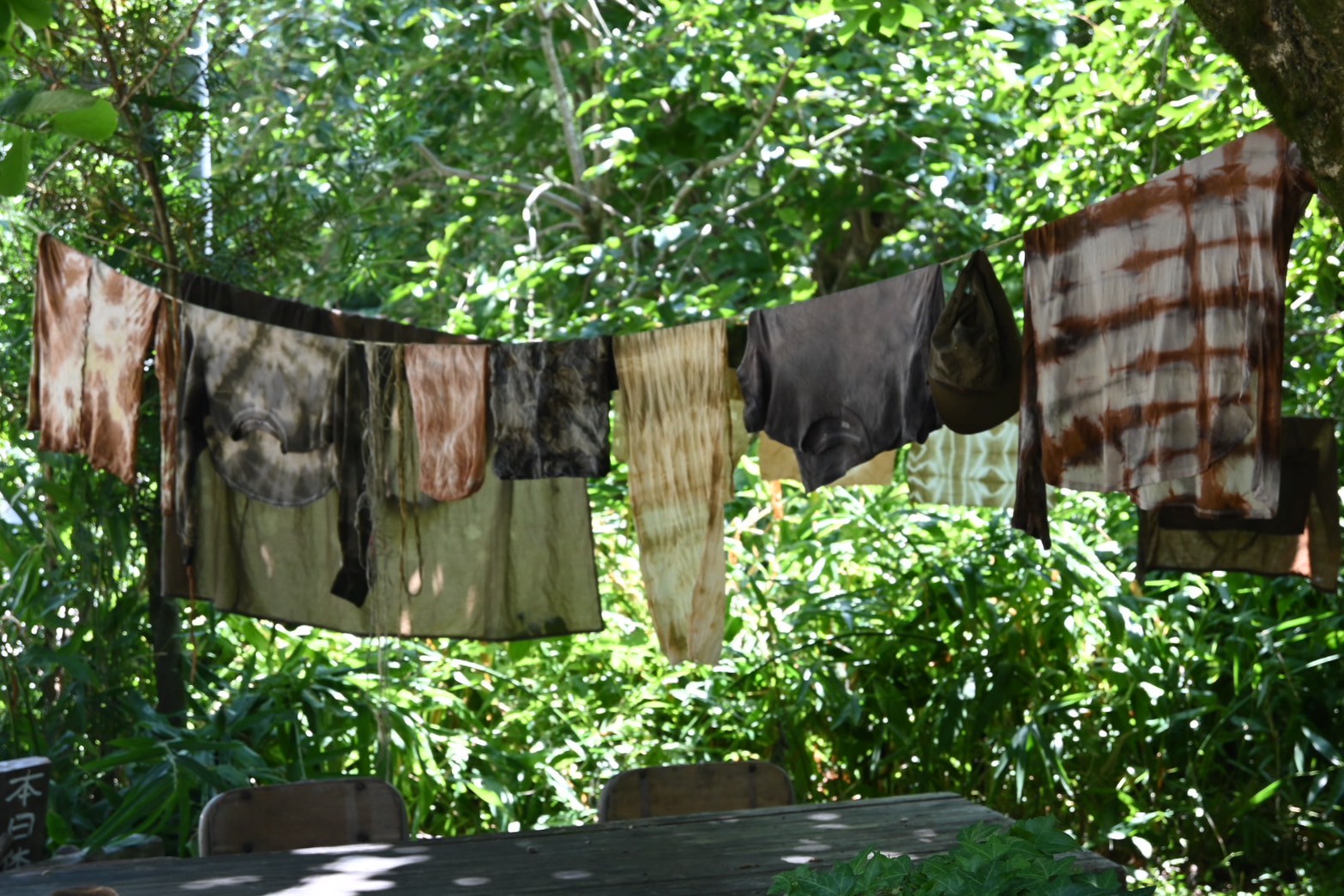
─Japan’s four seasons must have played a role in cultivating a unique aesthetic sensibility around color.
Absolutely. Japanese colors are not just simple red, blue, or yellow—they are named for seasons, landscapes, and flowers. Color has always been seen as part of the ever-changing natural world rather than something fixed.
An old saying among traditional dyers that I hold close goes:
“Plants, like humans, are created by nature. Those that become dyes give their life for humans and protect us from evil spirits through their color. Therefore, they should be treated with compassion, gratitude, and a reverent spirit when working in dyeing.”
This mindset is the root of Japan’s color culture, and we want to preserve it.
─How do you approach unexpected results in dyeing?
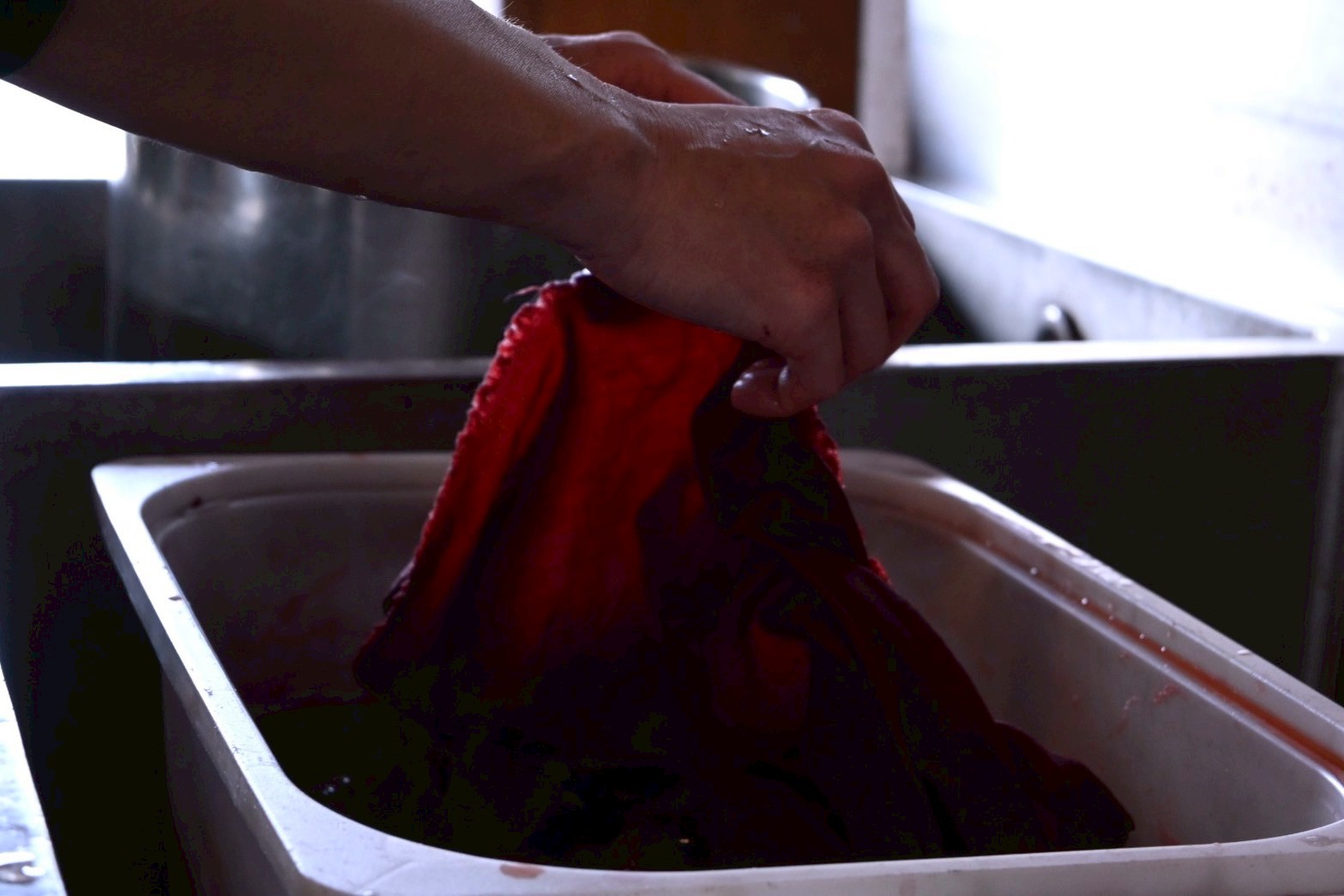
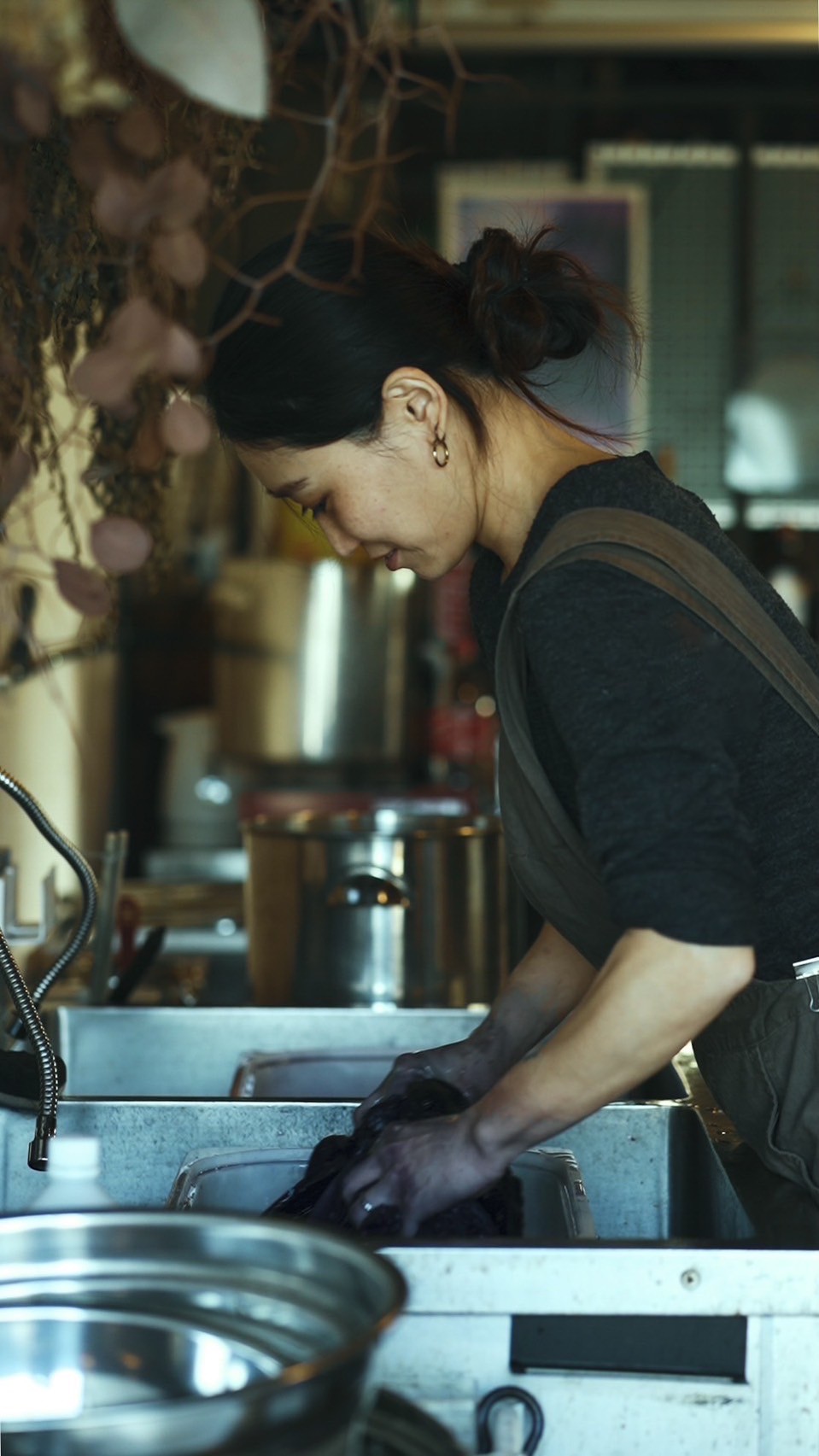
The unpredictability is the greatest charm of plant dyeing. In “Re: Zome,” we see all kinds of old garments, and sometimes old stains appear. At first, we struggled because we wanted perfect results. But we realized that seeing imperfections as “failures” was limiting. Now, we focus on how the piece can be reborn and worn again. Treating unpredictability as a positive opens the path to solutions.
─I imagine working with our design requests was challenging?
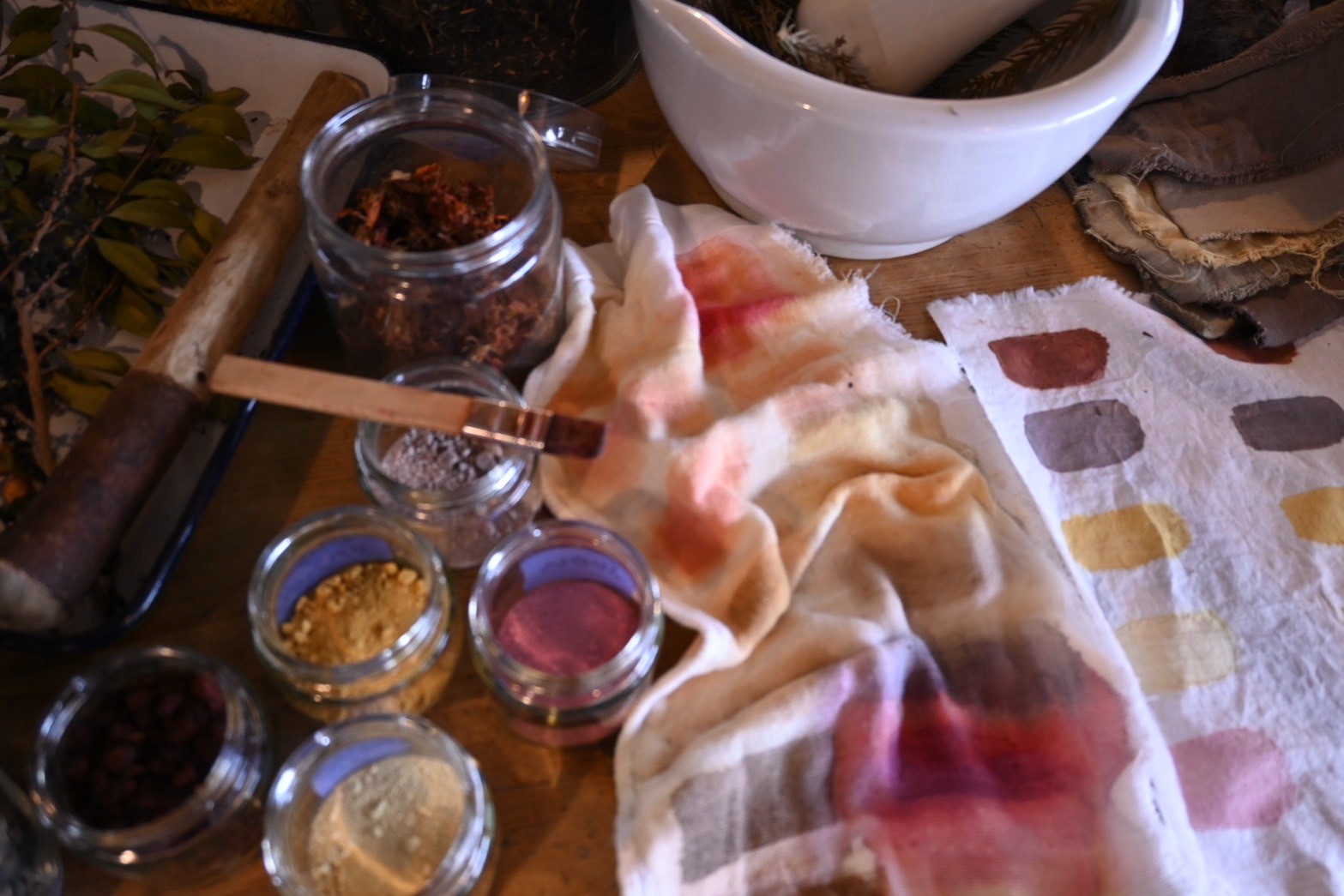
Not at all—the pattern for this collaboration actually leverages unpredictability. We mix the liquid, apply it with a brush, much like watercolor painting. Plant inks interact with minerals like aluminum or copper to produce color. On fabric, the pigments move naturally, creating gentle gradients and fluctuations. We asked the designer to embrace this “flow” of color.
─For us at eit swim, it’s important to start with small, personal steps toward environmental action. Collaborating with partners who share this mindset is very meaningful.
Exactly. We prioritize working with people who share the same direction, not only during production but also for future initiatives.