

A Drop of Indigo : A conversation with Ayaki Shinada
For our 2025 collection, we had the honor of collaborating with Ayaka Shinada from NORABI, an indigo dye studio based in Kujūkuri, Chiba. Ayaka’s journey into the world of traditional Japanese indigo dyeing began after retiring from her career as a professional soccer player. Motivated by a deep concern for the environment, she found herself drawn to this ancient, sustainable craft.
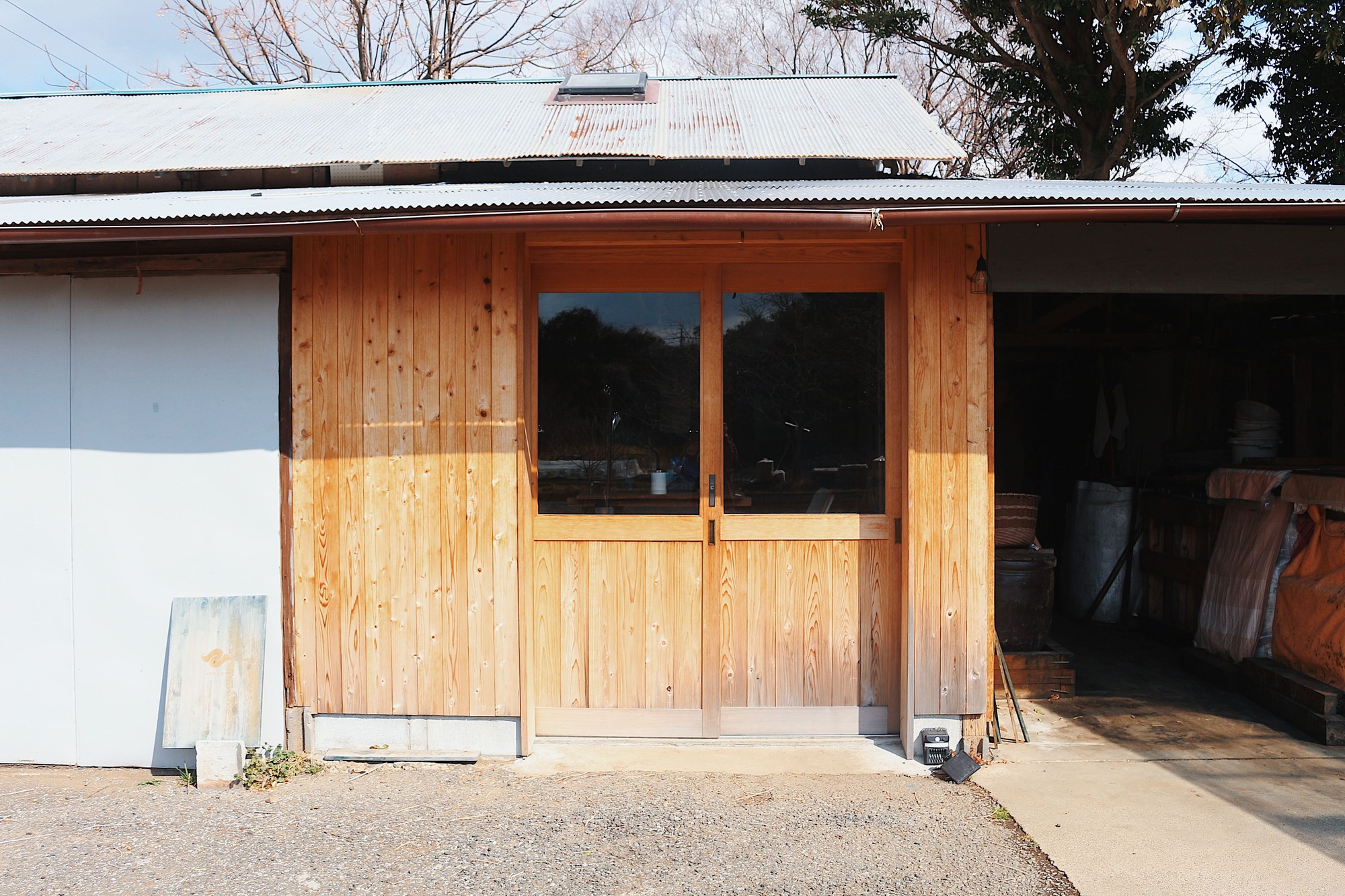
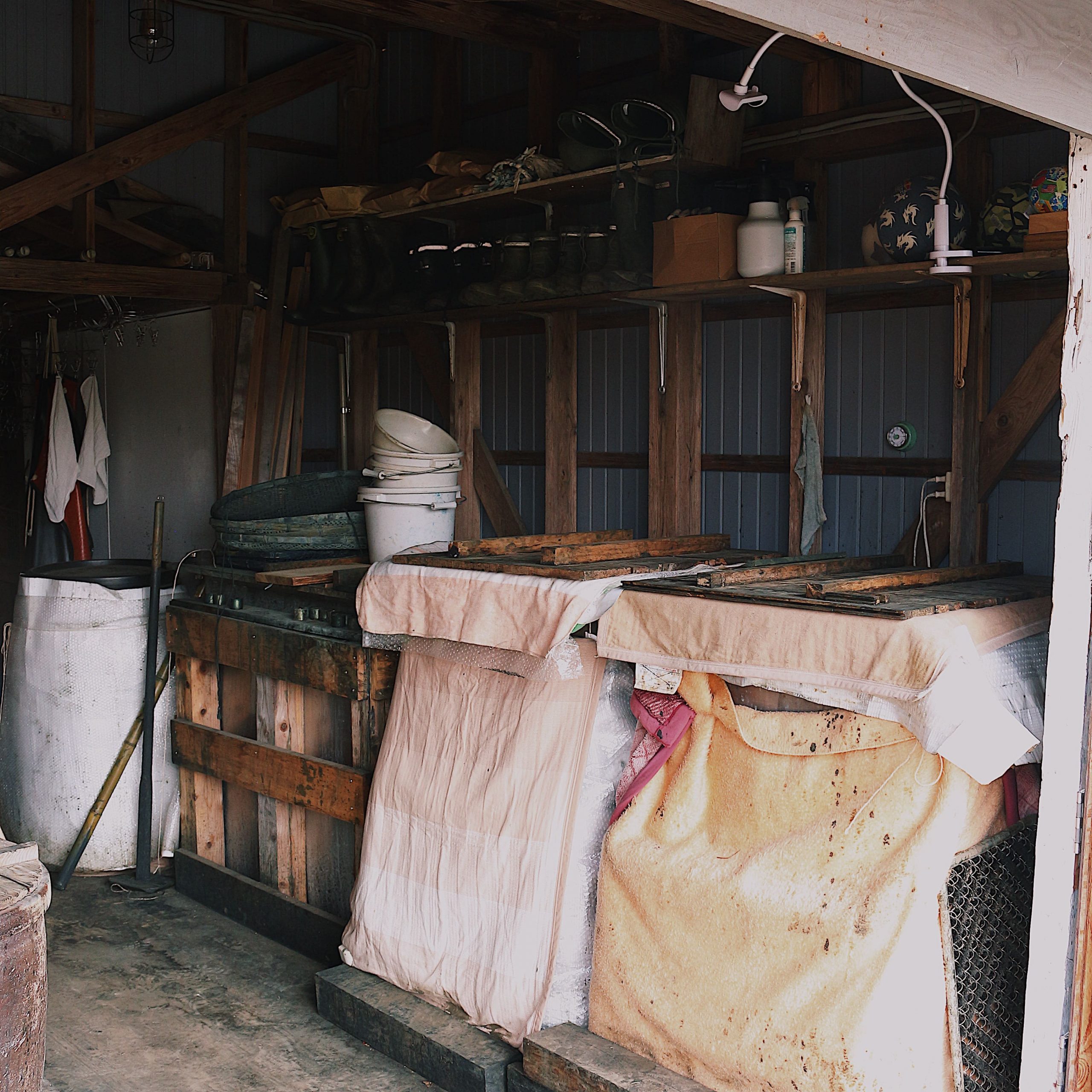
We first met Ayaka shortly after she launched her studio. At the time, she was still new to the neighborhood—but every time we passed by, we couldn’t help but feel a quiet thrill at the sight of indigo-dyed fabrics swaying on her drying racks.
In this interview, Ayaka shares how she discovered indigo dyeing, her thoughts on sustainability, and the inspiration behind the beautiful patterns she created for eit swim.
─What inspired you to start working with indigo?
I stepped away from soccer because I wanted to dedicate myself to work related to climate change. After retiring, I went back to study environmental issues in more depth. I realized that even though I thought I was somewhat informed, there was still so much I didn’t know—and I felt that was likely true for many people.
As I started mapping out the things I wanted to do and areas I cared about—biology, art, fashion, agriculture, textiles, even medicinal plants—I realized indigo dyeing touched on all of them. The craft has deep historical roots, uses natural materials that fit well within a circular system, and the chemistry of how it turns blue fascinated me. That’s when I decided to dive in.
─Did your interest in the environment begin during your soccer career?
In a way, yes. My parents have always been passionate about environmental issues, so it was something I grew up with. My brother is a cultural anthropologist and filmmaker—he once spent a year in the Amazon rainforest doing field research and made a documentary about it. That gave me a direct view of the environmental devastation happening there, especially the fires. Around 2019, I felt like the planet had entered a new, more urgent phase.
At the same time, I was noticing how even women’s soccer, which had always felt somewhat outside of the capitalist machine, was becoming increasingly commercial. I loved the sport, but I started to feel like that wasn’t enough to keep me going.
─As a Japanese artist, what does working with indigo mean to you?
Indigo dyeing is part of Japan’s cultural heritage, and there are aspects of it that really can’t be communicated outside the Japanese language. Now that I have more opportunities to connect with people internationally, I feel even more strongly that it’s important for Japanese people to carry this tradition forward.
I know my work is just a small drop in a vast ocean—but I hope it can ripple outward. Thinking about environmental issues can sometimes feel overwhelming, like your efforts are too small to matter. But for me, it was about returning to the basics: doing what I can with the skills and passions I already have.
─What have been some of the challenges in this work?
Of course, there are hard parts. But honestly, after going through the intense physical training, pressure, and competition of being an athlete, this doesn’t feel that hard by comparison! I trained both mentally and physically every day, so I’m used to keeping up a steady routine. The absence of competition has actually made life more peaceful.
── We heard you’re also learning to make “sukumo.”
(Sukumo: Dried and composted indigo leaves, used as the base material for traditional indigo dye.)
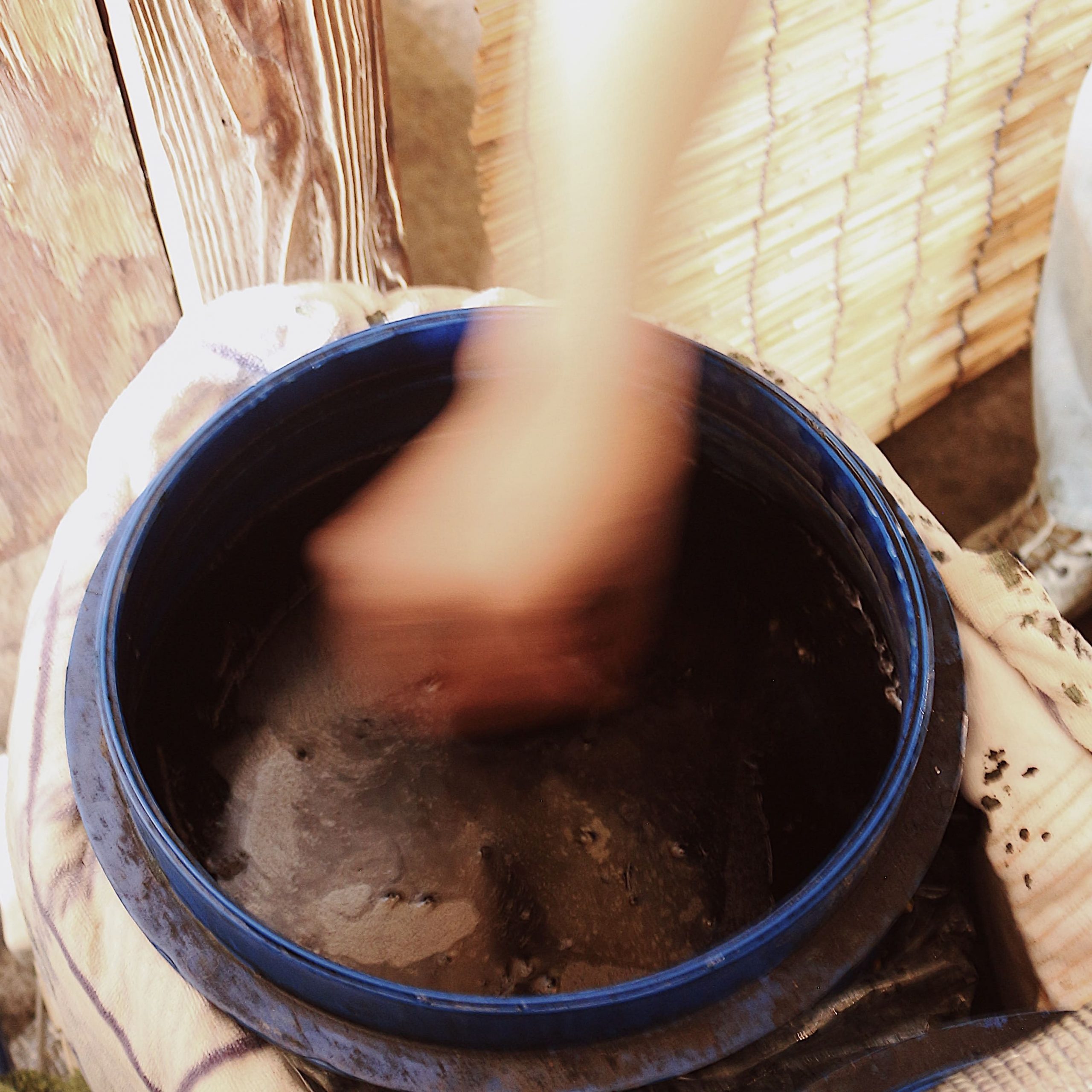
Yes—I’m in the process of collecting dried indigo leaves and learning how to make sukumo, which is the composted base used in traditional indigo dyeing. It’s a long process: you plant in spring, harvest twice in summer and fall, dry the leaves, and then compost them over three to four months with just water. Later, you mix that with a mineral-rich lye made by soaking hardwood ash in hot water—this starts a secondary fermentation.
I source ash from local wood-burning stove users, fireplace shops, and satoyama (rural sustainability) groups, and sometimes I offer indigo-dyed items in return. It’s tough to manage this process while continuing my dye work, but I’d like to keep it pesticide-free, chemical-free, and no-till.
─ This is our second season working with indigo dye at eit swim, and we’ve grown completely hooked on its beauty. The visual beauty and timeless quality of indigo are undeniable, but your work also has such a strong fashion appeal.
I think that’s what drew me in as well—this specific shade of blue. It’s a universally wearable color. I never considered myself a “blue” person, but when I looked at my wardrobe, I realized how many indigo pieces I had. Maybe I’ve always been drawn to it without even noticing.
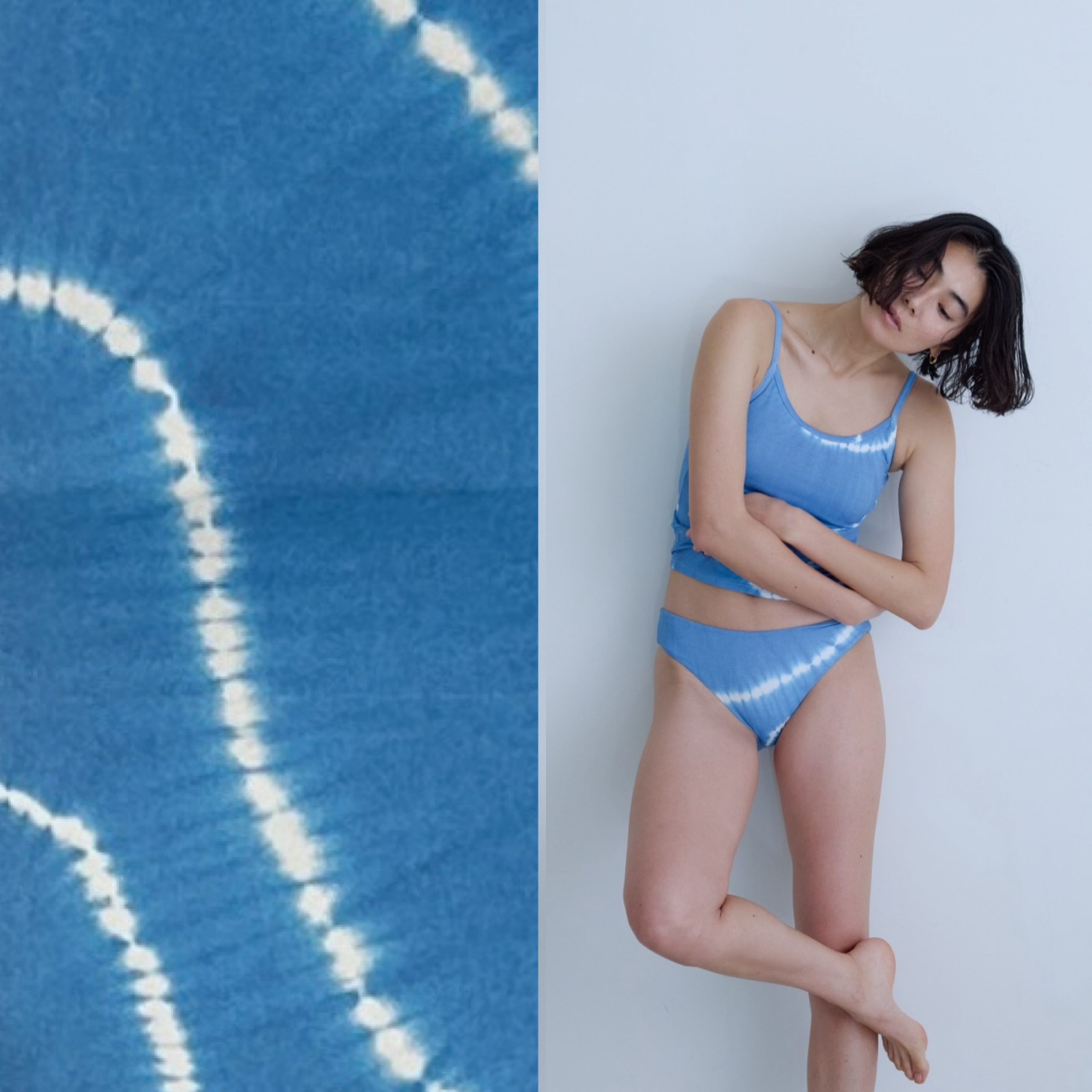
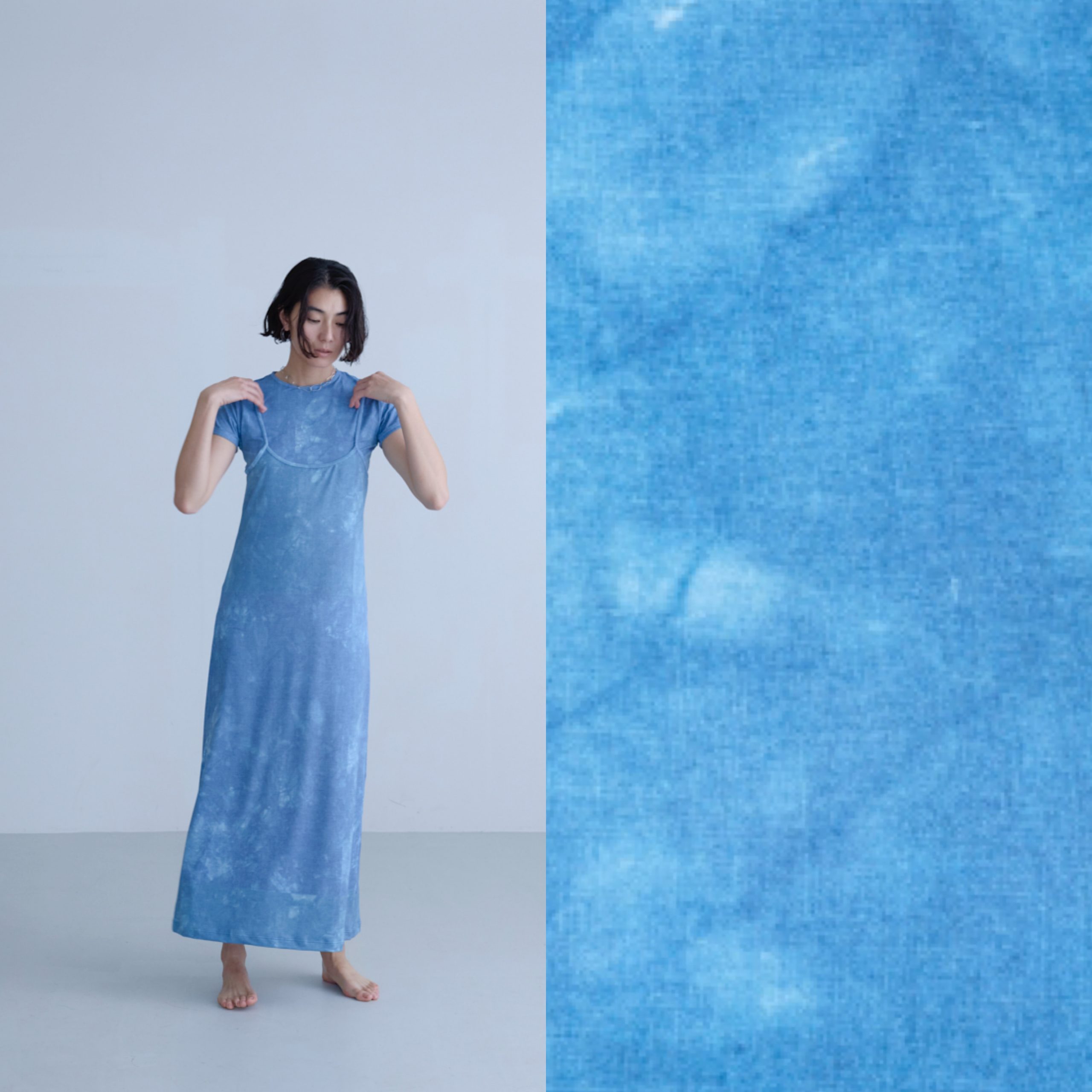
─Can you tell us about the two prints you created for eit swim? We gave you a rather loose brief—one was a delicate “line” pattern inspired by Jomon pottery, and the other, a light “marble” design.
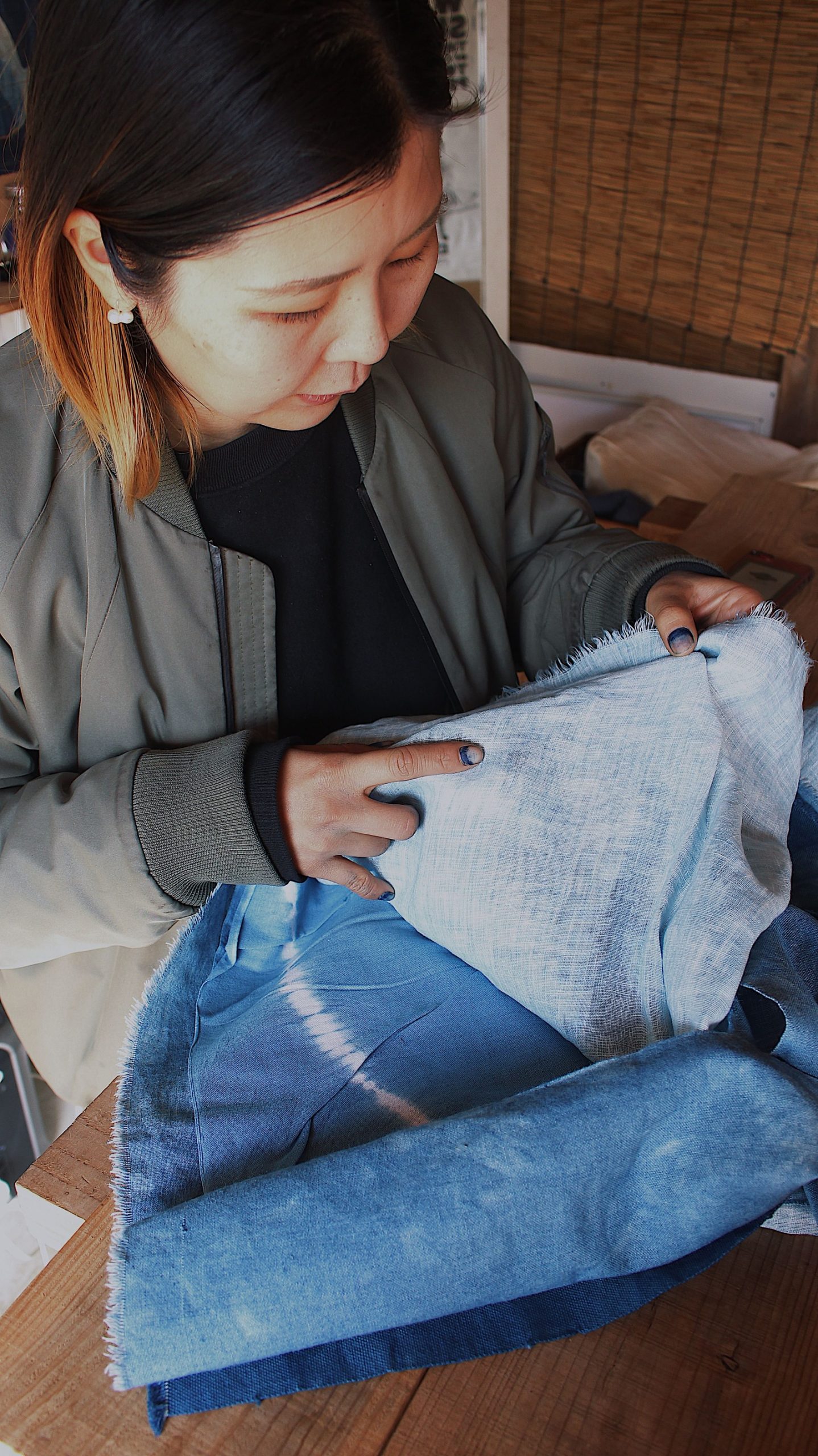
The Line pattern is a shibori design using shō-ai (natural fermentation indigo). I’ve always loved pen drawing and fine-line work, and I brought that sensibility into this piece. Usually shibori is sewn by hand, but for this one I used string to bind it instead, which is actually harder in some ways.
The Marble pattern also uses shō-ai and takes advantage of its subtle coloring. Unlike chemically reduced indigo, which produces deep color quickly, fermented indigo allows for layering and nuance. I dyed it over and over to create those soft, misty textures.
─What’s your vision going forward?
When I first started, my goal was to eventually launch my own brand—and that’s what NORABI is becoming. I want to keep building on that vision, and to keep pursuing a style of making that is truly regenerative—from the soil to the fabric.