

The beauty of Edo-Komon
In the Edo period, there was a law prohibiting the wearing of flashy kimonos by common people.
How to dress casually and fashionably?
How to show one’s individuality while freedom was restricted?
What stimulated people’s playful spirit was the “Edo-Komon,” a pattern drawn with fine dots.
Because of its fineness, from a distance, it looks like a plain kimono.
But when you get closer, you can see that it is a pattern, just like a trompe l’oeil.
Originally, this pattern was used on samurai kamishimo (formal dress worn by samurai), but by the mid-Edo period, it had spread to the general public, and the variety of patterns became more diverse.
The world of “iki” is a world where each pattern has its own story and meaning, such as familiar nature, a scene from daily life, or a lucky charm.
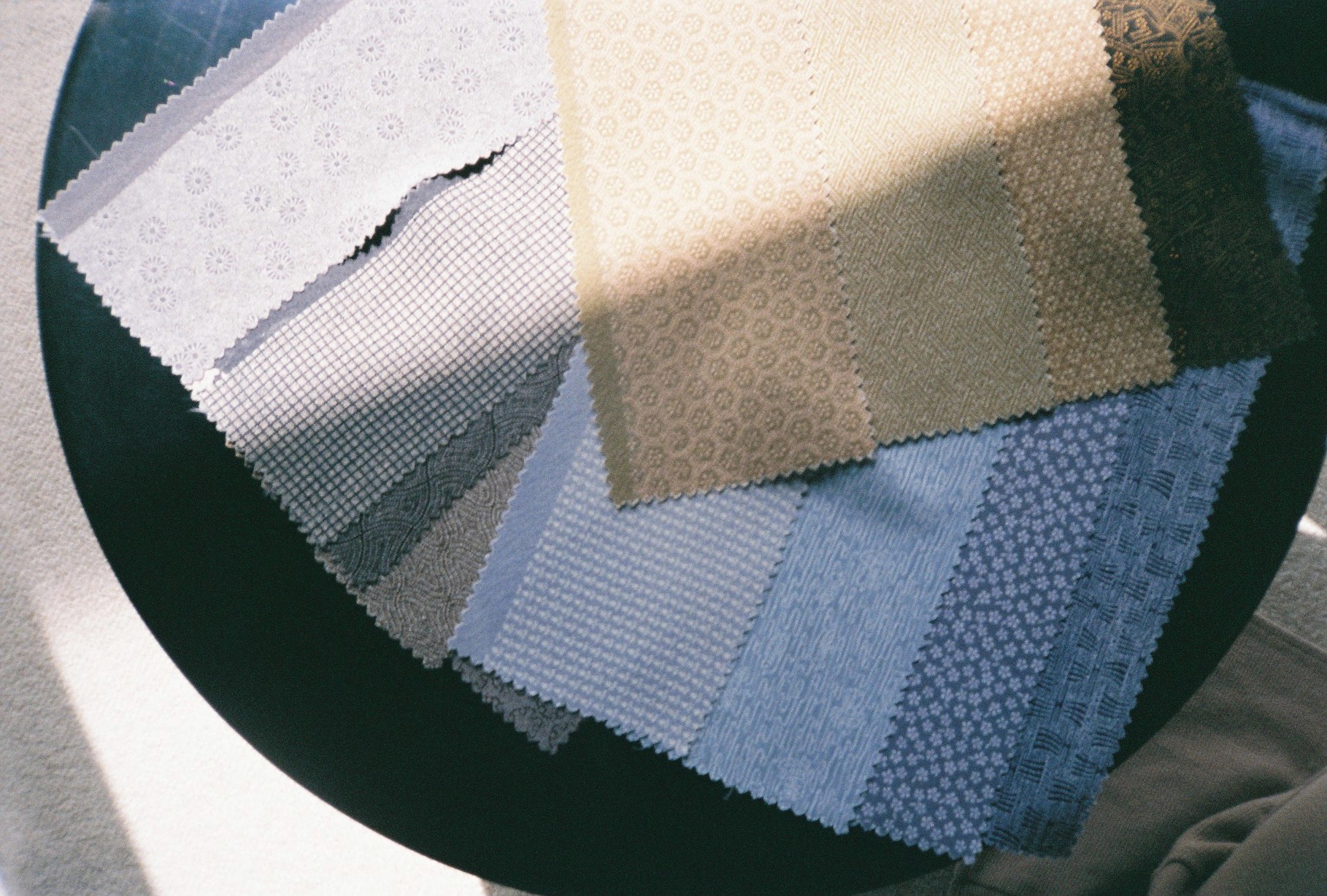
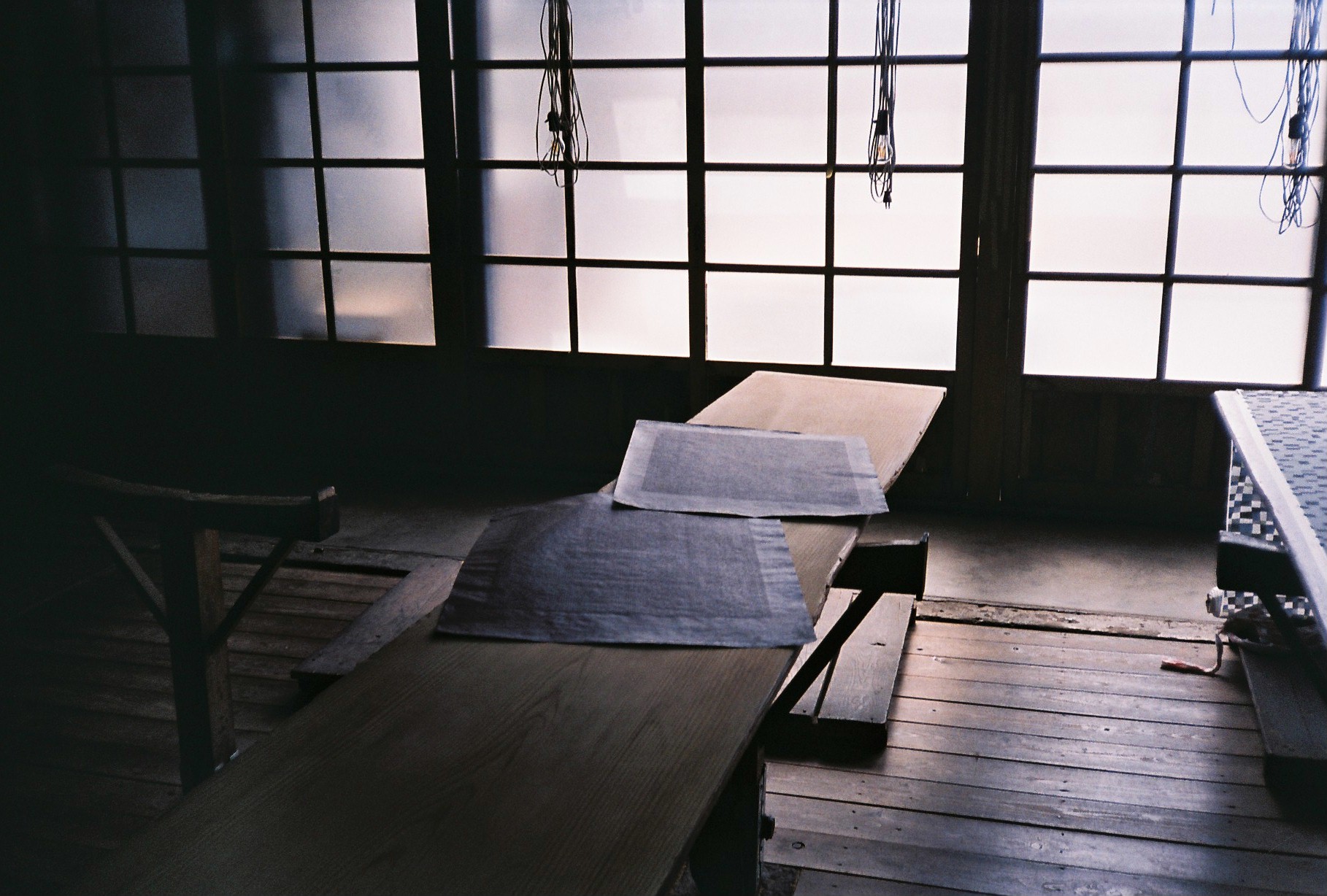
In the Edo komon process, a katabori craftsman first carves delicate patterns on Japanese paper hardened with an extract of astringent persimmon.
The process is a work of art that cannot be completed without high-quality Mino washi with few fibers, an ultra-fine blade that cuts well, and the skill of a well-trained craftsman.
Next, the dyeing artisan places the 20-centimeter-long pattern on the fabric and dyes it, matching the seams of the pattern with the seams of the mold without any deviations.
Nori(paste) made from glutinous rice and rice bran is placed on the small dots hollowed out in the mold as masking, then the color is applied to the entire surface, steamed to fix the dye, and finally the nori is washed off.
Since no color can be applied to the dots masked off first, Edo komon fine dots are generally finished in white.
*Some of the eit swim’s products are designed in black dots on purpose.
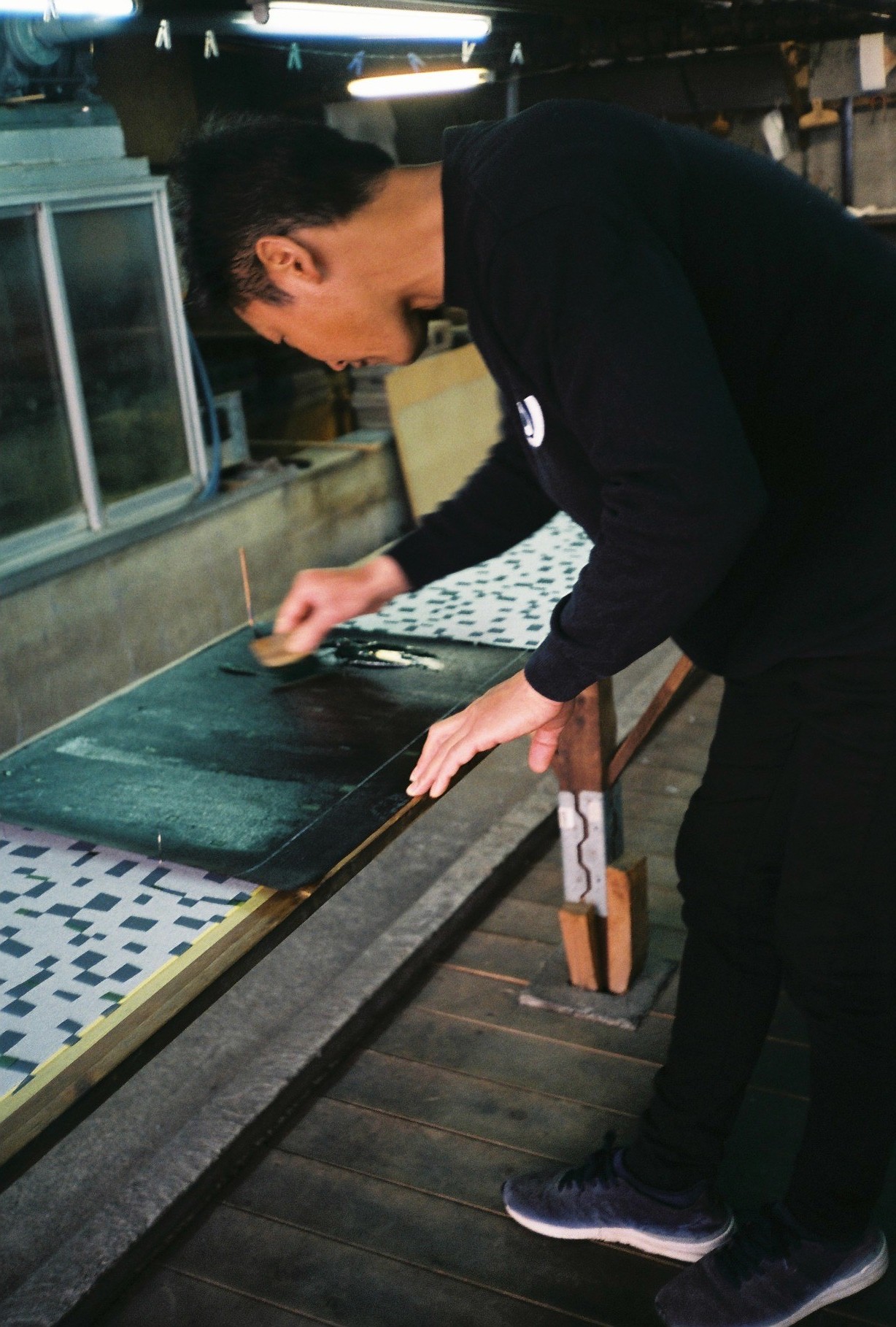
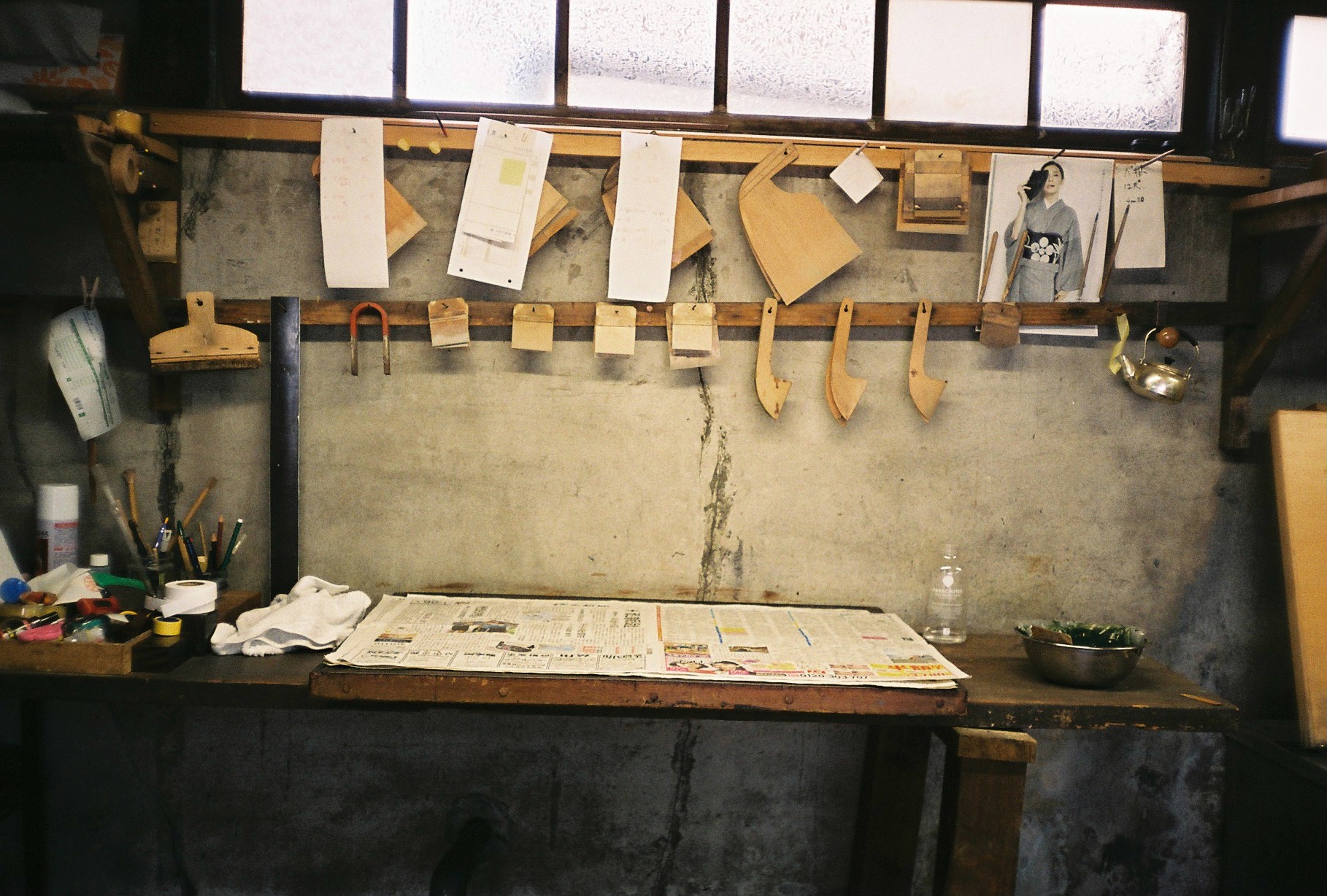
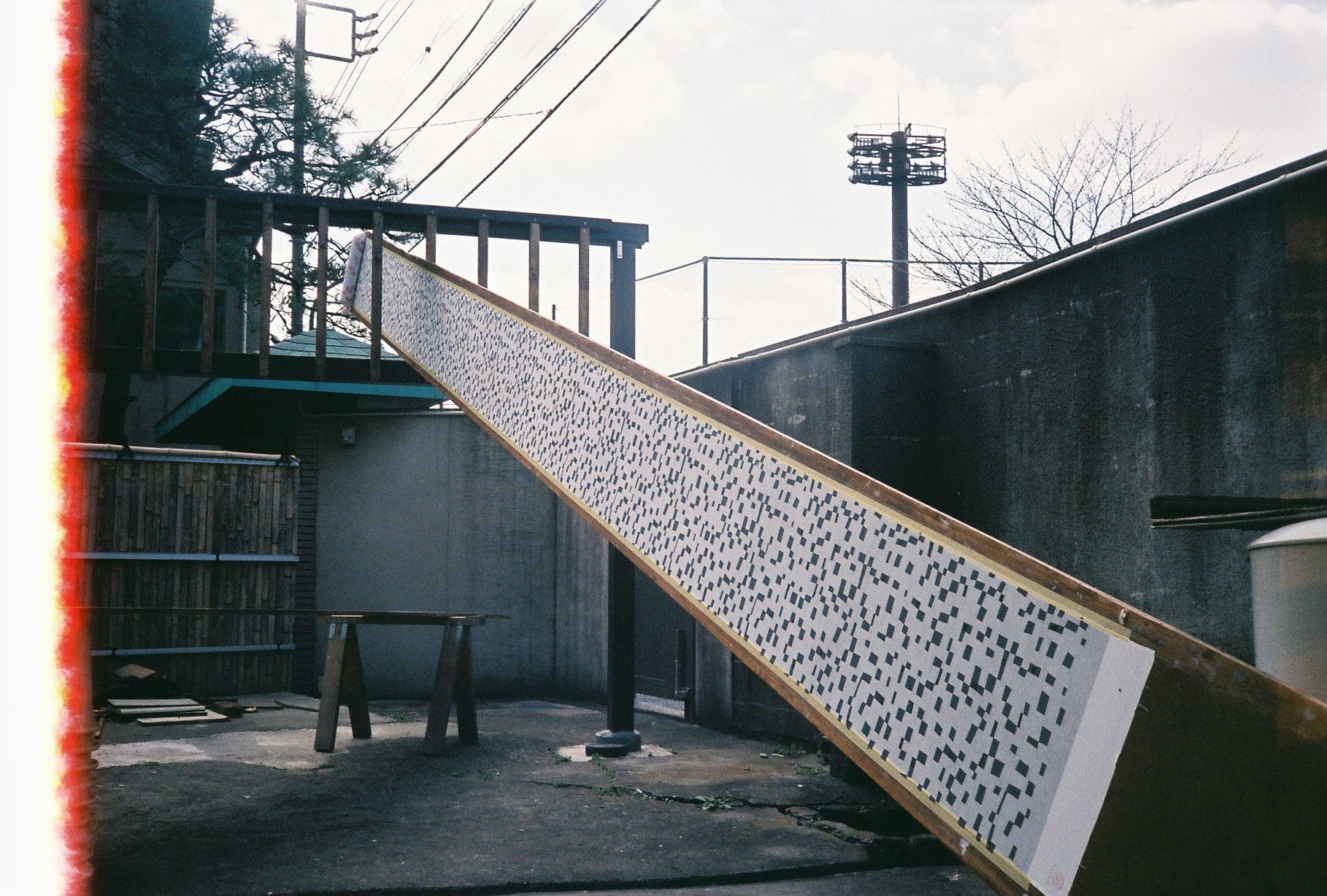
The person who provided the Edo-Komon pattern to eit swim 2023 collection is Mr. Yuichi Hirose, a fourth-generation craftsman at the Hirose Dye-Works, which has a history of over 100 years. He is also a wind surfer who loves the ocean.
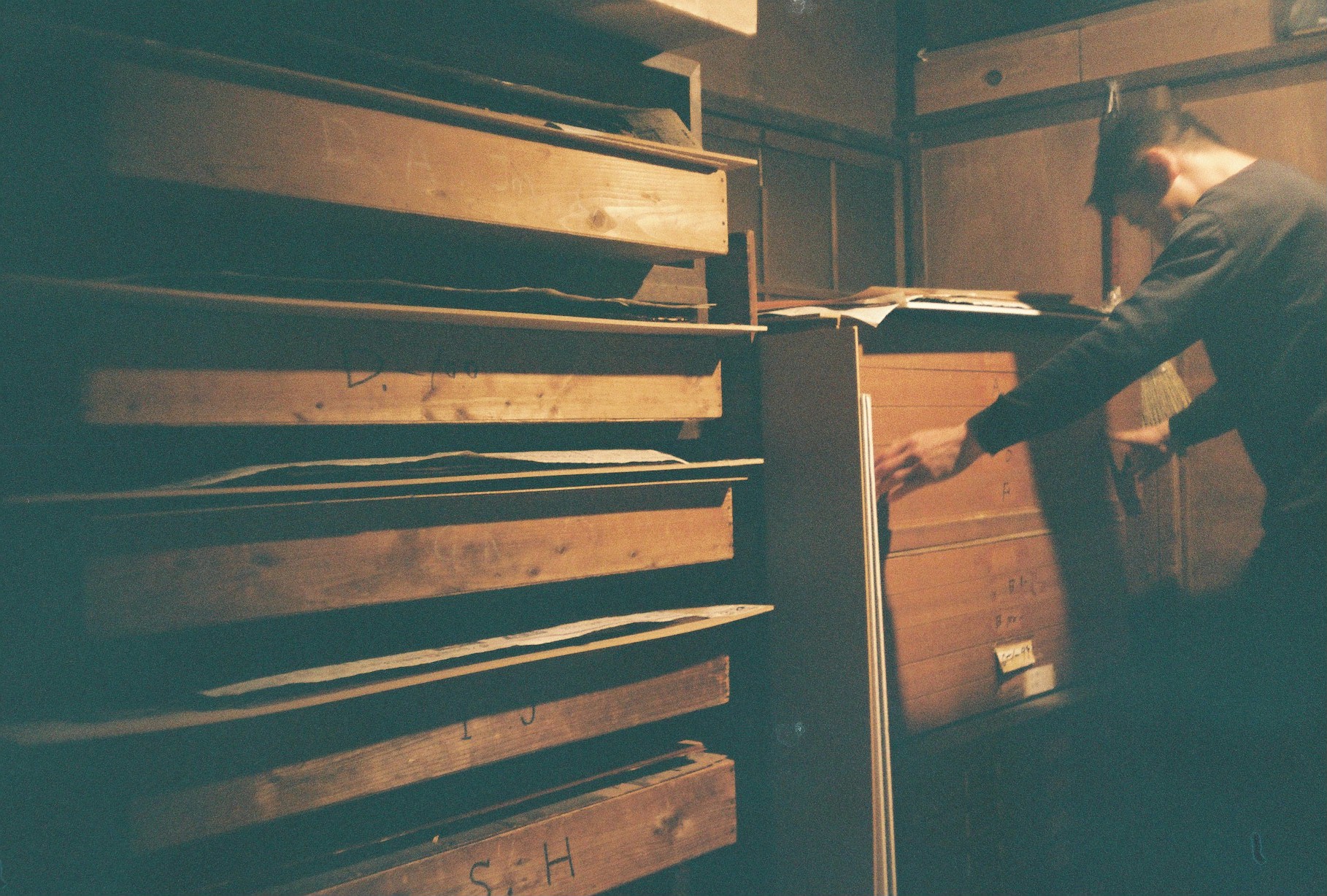
In his factory, he has 20,000 pieces of paper patterns that have been passed down from generation to generation.
The katagami, a combination of creative patterns and techniques, is itself an art form.
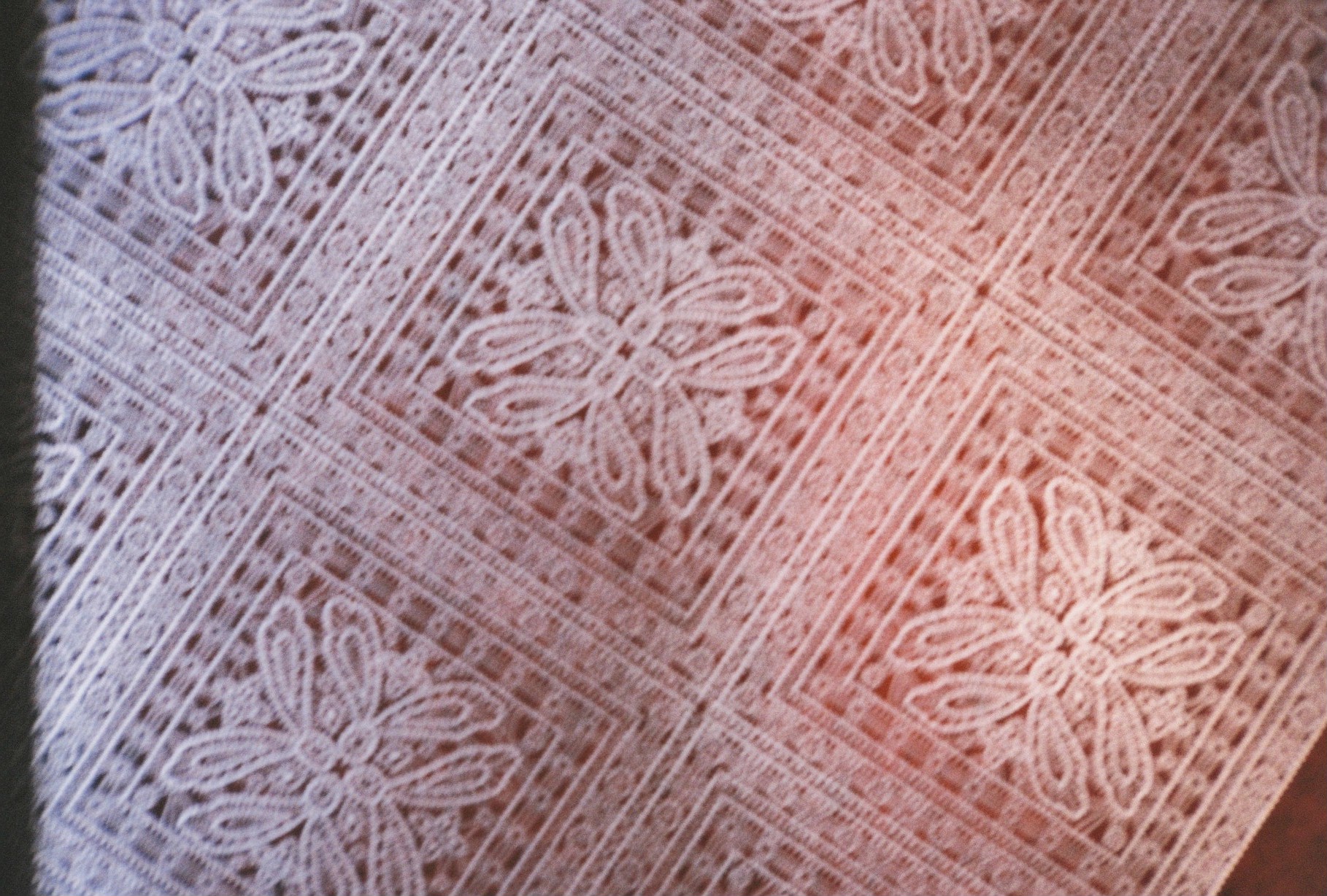
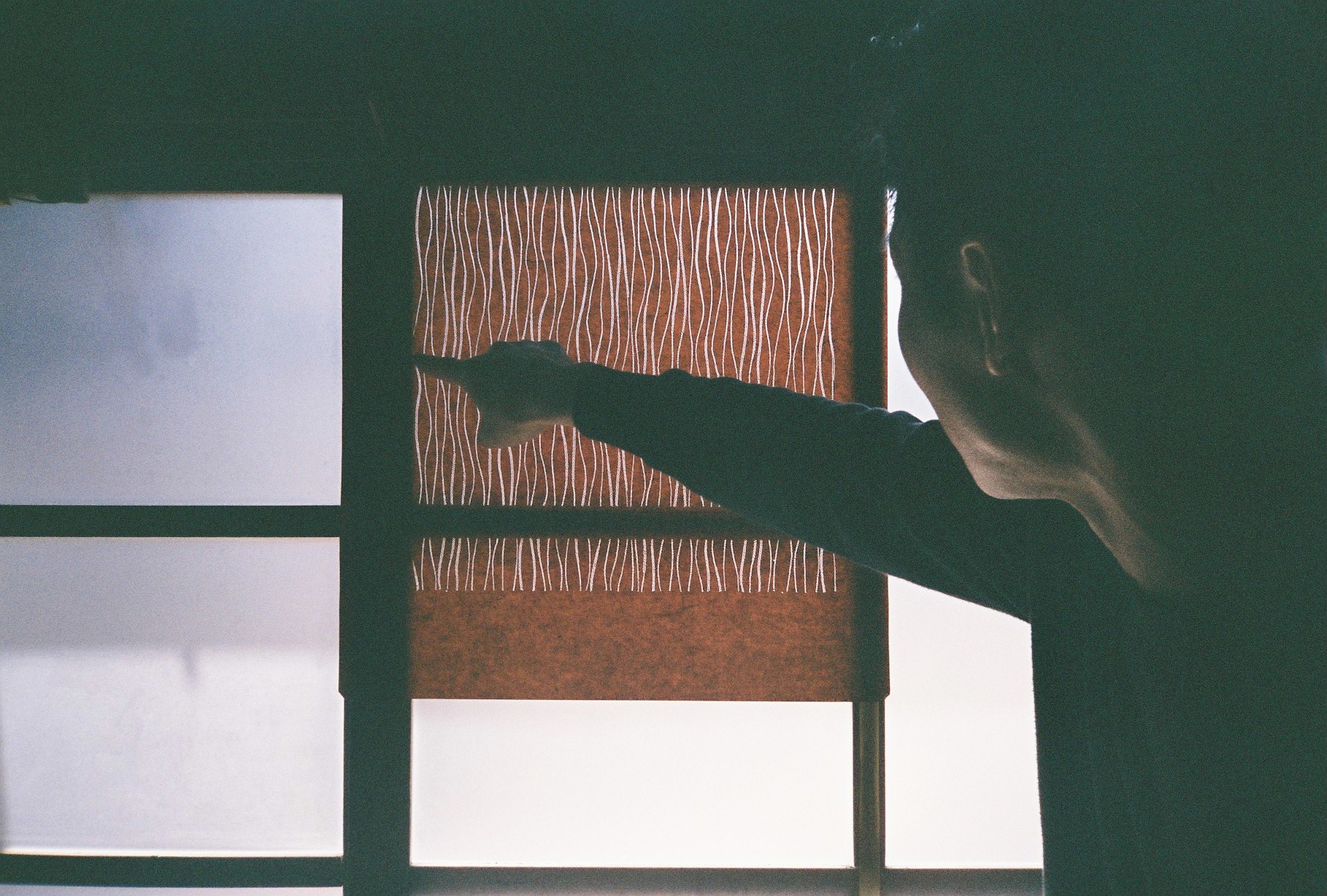
eit swim selected the “Yoroke Tatewaku” and “Bishamon-Kikko” pattern from among a vast number of paper patterns, which has been used since the Edo period.The pattern depicting rising steam is reminiscent of the image of water and coolness, and has been loved for summer kimonos.”Bishamon-Kikko” is a delicate patchwork-like pattern of interlocking turtle shells, and is considered an auspicious pattern that brings treasure, good fortune, protection from evil, and good health.Just as the Japanese have long enjoyed the four seasons through the patterns on their kimonos, we hope that you will enjoy the short summer season with eit swim’s swimsuits.
“Patterns never change. Even now, in the Edo period, people’s wishes for happiness are still expressed in the patterns.” says Hirose.
Japanese fine craftsmanship, diligence, and the world of “iki”. We deliver artwork from Edo period on our swimwear.


check out the interview with Yuichi Hirose, a dyeing artisan from here.